Short answer: the best social activities for adults are the ones that put you with the same people every week and give you something to do together, so conversation happens on its own. Rec sports leagues, run clubs, improv classes, choirs, trivia teams and regular volunteer shifts top the list because they combine repetition, a shared task and a natural moment to hang out afterward.
One-off events like concerts or big mixers rank lower: they’re fun, but you rarely see the same faces twice. Below are 30 social activities for adults ranked by how fast you actually meet people, with cost, effort and winter-friendly picks, plus a 4-week plan and how to go from attendee to the person who organizes the next plan.
How we ranked these social activities for adults
Most lists of social activities for adults mix everything together: wine tasting next to joining a church next to “try a dating app.” That’s not helpful if your goal is specific: meeting people you’ll actually see again. So we ranked each activity on three things that predict whether acquaintances turn into friends:
- Repeat contact. Do you see the same people week after week? Friendship research keeps pointing to time together as the main ingredient. Communication researcher Jeffrey Hall estimated it takes around 50 hours together to go from acquaintance to casual friend and around 90 hours to become a friend (University of Kansas). Activities that meet weekly rack up those hours without extra effort.
- Built-in interaction. Does the activity make you talk, team up or rotate partners, or can you get through it silently?
- A natural “after.” Is there an easy moment to extend the time together: a drink after the game, coffee after class, lunch after the volunteer shift?
We also noted typical cost (free, low or paid), effort and whether it works through winter. Costs vary a lot by city, so we used broad bands rather than prices. Check local listings for current fees.
The full ranking: 30 activities compared
| # | Activity | How fast you meet people | Cost | Effort | Winter-friendly |
|---|---|---|---|---|---|
| 1 | Rec sports league (kickball, volleyball, softball, soccer) | Fast | Paid per season | Medium | Indoor leagues, yes |
| 2 | Improv class | Fast | Paid per course | Medium | Yes |
| 3 | Run club | Fast | Often free | Low to medium | Mostly |
| 4 | Community choir | Fast | Low | Medium | Yes |
| 5 | Trivia team (same bar, same night) | Fast | Low | Low | Yes |
| 6 | Regular volunteer shift | Fast | Free | Medium | Yes |
| 7 | Partner dance class (salsa, swing) | Fast | Paid per class or course | Medium | Yes |
| 8 | Climbing gym (bouldering) | Fast | Paid membership | Medium | Yes |
| 9 | Pickup sports (basketball, soccer, pickleball) | Fast | Free to low | Low | Indoor, yes |
| 10 | Community theater | Fast | Low | High | Yes |
| 11 | Board game night (café or store) | Medium | Low | Low | Yes |
| 12 | Tabletop role-playing group | Medium | Low | Medium | Yes |
| 13 | Book club | Medium | Low | Low | Yes |
| 14 | Group fitness class (same time slot) | Medium | Paid | Low | Yes |
| 15 | Community garden | Medium | Low | Medium | No |
| 16 | Cooking class (multi-week) | Medium | Paid | Low | Yes |
| 17 | Language exchange | Medium | Free to low | Low | Yes |
| 18 | Hiking group | Medium | Free | Medium | Weather-dependent |
| 19 | Open mic (as a regular) | Medium | Free to low | Medium | Yes |
| 20 | Faith community or small group | Medium | Free | Low | Yes |
| 21 | Pottery or craft studio course | Medium | Paid | Low | Yes |
| 22 | Neighborhood association or civic group | Medium | Free | Medium | Yes |
| 23 | Cycling group ride | Medium | Free | Medium | Weather-dependent |
| 24 | Professional or alumni chapter | Slow | Free to paid | Low | Yes |
| 25 | Library or parks-and-rec workshops | Slow | Free to low | Low | Yes |
| 26 | Coworking space | Slow | Paid | Low | Yes |
| 27 | Dog park (same time daily) | Slow | Free | Low | Weather-dependent |
| 28 | Wine or beer tasting events | Slow | Paid | Low | Yes |
| 29 | Networking mixers | Slow | Free to paid | Low | Yes |
| 30 | Concerts, festivals and big one-off events | Slow | Paid | Low | Varies |
“Fast” means most people who show up consistently will know a few names and have one or two people to chat with within a few weeks. “Slow” means you can attend for months and still be surrounded by strangers unless you make an extra move. If you prefer to build skills on your own schedule, our guide to hobbies to meet new people covers practice-based options; this list focuses on activities you attend with others.
Tier 1: you meet people within a few weeks
1. Rec sports leagues
A team forces cooperation, you see the same eight to twelve people every week for a season, and most social leagues are built around the post-game hangout. You can usually sign up as a “free agent” and get placed on a team. Volo Sports, which acquired rival ZogSports in 2025, is one of the larger organizers running social leagues in a number of US cities; city parks-and-rec departments and local clubs run cheaper leagues too. Our Volo Sports review covers its costs and how solo sign-up works. Attendee to host: after week three, suggest a team dinner after a game.
2. Improv classes
Improv is almost designed for meeting people: every exercise involves talking to, listening to and reacting to classmates. Courses typically run for several weeks with the same group, and the shared awkwardness bonds people fast. Attendee to host: organize going to a classmate’s show together.
3. Run clubs
Many run shops and breweries host free weekly group runs, often with pace groups so nobody gets left behind. Running side by side makes conversation easier than face to face, and many clubs grab coffee or a drink after. Attendee to host: invite the two people in your pace group to breakfast after the long run.
4. Community choirs
Choirs meet weekly, rehearse toward a concert and usually include a break where people mingle. Many community choirs don’t require auditions. Attendee to host: suggest a section drink after rehearsal.
5. Trivia teams
Going to the same pub quiz on the same night makes you a regular, and regulars notice each other. Join a team that needs players (ask the host) or bring one friend and invite others to fill your table. Attendee to host: start a team group chat and set a standing night.

6. Regular volunteer shifts
One-off volunteer days are pleasant; a weekly shift at the same food bank, animal shelter or tutoring program is social. You work side by side on a shared task, which makes small talk easy. Idealist, which merged with VolunteerMatch in 2025, lists opportunities by location. Attendee to host: invite your shift partners to lunch afterward.
7. Partner dance classes
Most beginner salsa, swing and ballroom classes rotate partners, so you’ll speak briefly with everyone in the room. No partner needed. Many studios also host social dances after classes. Attendee to host: invite classmates to a social dance together.
8. Climbing gyms
Bouldering is unusually social: people rest between attempts and talk about the same problem on the wall. Intro classes and regular weeknight sessions help you become a familiar face. Attendee to host: propose a regular climbing night with two or three people you’ve seen often.
9. Pickup sports
Pickup basketball, soccer and pickleball are cheap or free and very regular-heavy. Show up at the same time each week and you’ll be recognized fast. Our guide on how to find a soccer pickup game lists ways to find games. Attendee to host: start the group chat for the regulars.
10. Community theater
High effort (rehearsals several nights a week) but intense bonding. If acting isn’t your thing, crews need help with sets, lights and costumes. Attendee to host: host the cast party or a post-show diner run.
Tier 2: you meet people within a month or two
These activities have repetition but less built-in interaction, or the interaction is limited to a short window. They work well if you make one small extra move each time: stay ten minutes after, learn one name, ask one follow-up question.
- 11. Board game nights at a game café or local game store: you’ll sit with strangers by design, but groups shuffle, so go to the same night every week.
- 12. Tabletop role-playing groups (Dungeons & Dragons and similar): small, weekly and long-running; many game stores help newcomers find a table.
- 13. Book clubs: libraries and bookstores often host them; discussion is built in, but monthly meetings mean it takes longer.
- 14. Group fitness classes: pick the same slot each week. Instructors who learn names help; arrive early to chat.
- 15. Community gardens: plot holders cross paths on weekends; workdays and harvest potlucks are where people talk most. Seasonal in colder places.
- 16. Multi-week cooking classes: pairs or small teams cook together, then eat together.
- 17. Language exchanges: conversation is the activity. Regular meetups at cafés or libraries mix native speakers and learners.
- 18. Hiking groups: hours on a trail make for long conversations, but attendance varies trip to trip.
- 19. Open mics: performers and regulars get to know each other quickly; audiences less so.
- 20. Faith communities: weekly services are less social than the small groups, choirs and volunteer teams attached to them.
- 21. Pottery and craft courses: hands busy, conversation easy, same people for six to eight weeks.
- 22. Neighborhood associations and civic groups: you meet people who live near you, which makes casual follow-up easier. Our guide on making friends in your 30s covers how to fit this around a busy schedule.
- 23. Cycling group rides: social rides with a coffee stop are friendlier than fast training rides.
Tier 3: slower, but still worth it
These activities can still introduce you to people, but they don’t do the work for you. Use them as a supplement, not your main plan.
- 24. Professional or alumni chapters: useful for networking; meetings can be infrequent. Volunteering for the planning committee speeds things up.
- 25. Library and parks-and-rec workshops: cheap and varied, but often one-off. Look for series rather than single sessions.
- 26. Coworking spaces: shared space doesn’t mean shared conversation. Attend the space’s community events and lunches.
- 27. Dog parks: you’ll learn every dog’s name before the owners’. Go at the same time daily.
- 28. Tastings: enjoyable, but attendees rotate. Better with a friend you want to get to know better.
- 29. Networking mixers: lots of introductions, little repeat contact. Follow up within a few days or the contact fades.
- 30. Concerts, festivals and big events: great shared experiences, rarely a way to meet people unless you go with a group, which is why our guide on where to meet new people ranks them low on its list.
Winter-friendly picks
If you live somewhere cold, outdoor groups often shrink between November and March. Activities that stay strong through winter:
- Indoor rec leagues (volleyball, basketball, futsal, bowling)
- Climbing gyms and group fitness classes
- Improv, choir, community theater
- Trivia, board game nights and tabletop groups
- Cooking, pottery and other multi-week courses
- Volunteer shifts (food banks are often busiest around the holidays)
Winter is also a good time to start, because many courses and leagues begin new sessions in January.

From attendee to host
The activity gets you in the room. What turns acquaintances into friends is time together outside of it. That means at some point you’ll need to suggest something. The simplest formula:
- Pick an “after” that’s attached to the activity. Drinks after the game, coffee after the run, tacos after class. It’s low-commitment because everyone is already there.
- Invite a small group, not one person. “A few of us are getting food after, want to come?” is easier to say and easier to accept.
- Say who pays. “Everyone pays their own” or “first round’s on me” removes awkwardness.
- Make it repeatable. If it goes well, suggest the same thing next week.
- Then go one step further. After a few “afters,” invite people to something separate: a game night, a hike, a show.
If suggesting plans feels hard, our guide on how to put yourself out there breaks it into small steps with scripts.
A 4-week plan
| Week | Goal | Actions |
|---|---|---|
| 1 | Choose and commit | Pick one Tier 1 activity and one Tier 2 activity. Sign up for both. Attend once. |
| 2 | Become recognizable | Attend both again, same day and time. Learn two names. Stay 10 minutes after. |
| 3 | Small follow-up | Ask someone about something they mentioned last week. Swap numbers with one person “to coordinate.” |
| 4 | First “after” | Suggest a group coffee, drink or meal right after the activity. Say who pays. |
Keep both activities going for at least two to three months. Most people quit right before the payoff: week six is usually when the regulars start treating you as one of them. For the bigger picture of what to do alongside activities, see our step-by-step guide on how to meet new people.
A worked example
Marcus (a composite example) is 33 and recently switched to remote work in Minneapolis. His weekdays are quiet, and his old office friends have drifted. In early December he signs up for an indoor volleyball league as a free agent (Tier 1) and a Thursday board game night at a local game café (Tier 2).
- Weeks 1 to 2: he learns his teammates’ names and stays for one drink after the second game. At board game night, he sits at a different table each time.
- Week 3: he asks a teammate how her ski trip went, and they swap numbers when the team chat gets set up.
- Week 4: after the game, he suggests the team grab food at the place next door, everyone paying their own. Five of eight come.
- Week 6: two board game regulars invite him to a home game night. He brings a game and suggests making it monthly.
By February, Marcus has a team he sees weekly, a monthly game group and one person he texts outside both. None of it required a big leap: just picking activities with repeat contact and suggesting the “after.”
Staying safe with new people
Most of these activities happen in public places with an organizer present, which keeps them low risk. When you move from the activity to a separate plan with people you don’t know well, keep it in a public place at first, tell a friend where you’re going, arrange your own way home and leave if anything feels off.
Social activities for adults (FAQ)
What are the best social activities for adults who want to make friends?
Activities that meet weekly with the same group and involve teamwork or conversation: rec sports leagues, improv classes, run clubs, choirs, trivia teams and regular volunteer shifts. Repeated contact matters more than how exciting the activity is.
What are some free social activities for adults?
Run clubs, pickup sports at public courts, volunteer shifts, library book clubs and workshops, language exchanges, hiking groups, community gardens and faith or neighborhood groups are often free or very low cost. Check local library and parks-and-rec calendars.
What are good social activities for introverts?
Activities with a built-in focus, so conversation isn’t the only thing happening: board games, book clubs, pottery, climbing, volunteering and choirs. Small groups that meet regularly are easier than big mixers.
How long does it take to make friends through an activity?
It usually takes a couple of months of consistent attendance. Research by Jeffrey Hall estimated about 50 hours together to become casual friends, so weekly activities plus an occasional “after” get you there much faster than monthly ones.
What social activities can adults do in winter?
Indoor rec leagues, climbing gyms, group fitness, improv, choir, community theater, trivia, board game nights, multi-week cooking or craft courses and volunteer shifts all run through winter.
How do I go to a social activity alone?
Pick something with structure (a class, league or team) so you’re never standing around wondering what to do. Arrive a few minutes early, introduce yourself to the organizer, and ask one person if it’s their first time. Going alone often makes you more approachable than arriving in a group.
Want to turn this into an actual plan? MeetNow is a free app for meeting people in person: a host posts a plan at a public place, says who pays (host pays, split, pay your own or free) and picks who joins. It is live on the web now, starting in Malta: open MeetNow and see the plans posted in Malta.
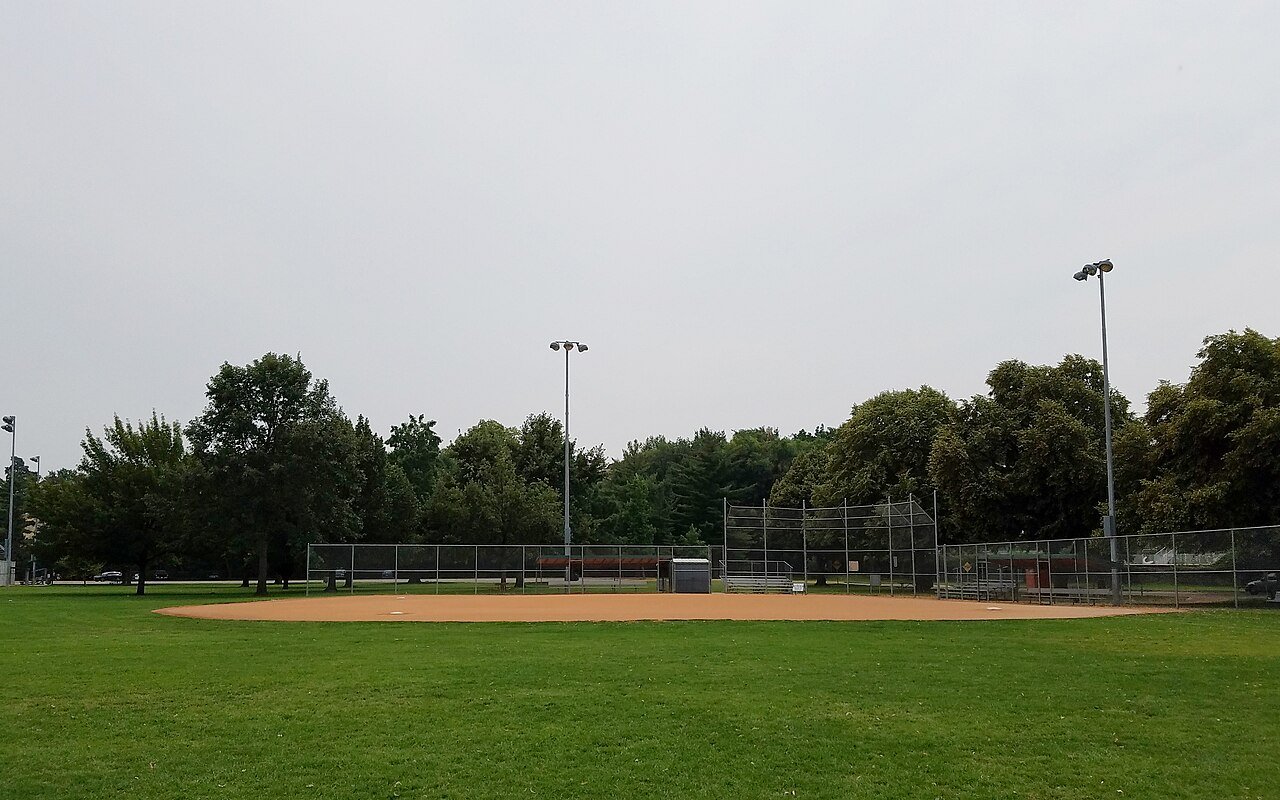
Featured image: softball field at Ann Morrison Park, Boise, Idaho, photo by Tamanoeconomico, CC BY-SA 4.0, via Wikimedia Commons.