
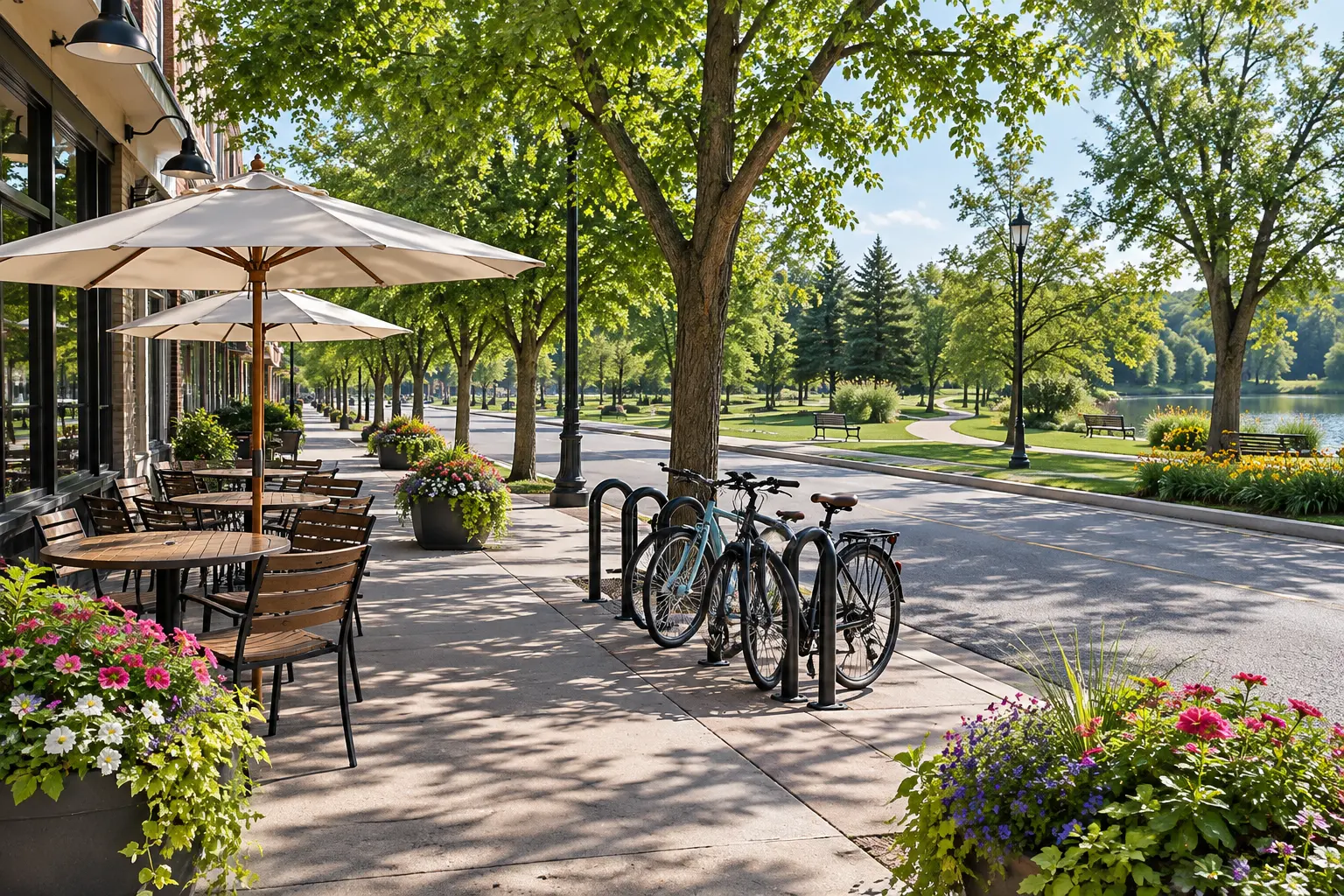
Short answer: the best places to meet new people are ones you can return to every week, where the same faces show up and there is something to do besides talk. Low-effort places such as a regular café, a dog park, library programs or a free Saturday 5K let you start gently. Medium-effort places such as a rec league, a multi-week class or a volunteer shift build friendships faster. The highest-effort option, hosting a small plan yourself, is also the fastest. Below are 25 places ranked by effort, with what they typically cost, how quickly you tend to meet people and how much repeat contact each one gives you.
How we ranked these places
Every place on this list was judged on four things:
- Effort: how much energy, commitment and social courage it takes to show up and participate.
- Typical cost: described in broad bands (free, low, moderate, higher) because prices vary a lot by city and provider. Check locally before you sign up.
- How fast you meet people: how quickly you tend to go from stranger to someone people recognize.
- Repeat contact: whether you see the same people again and again. This matters most. Friendship research, including Jeffrey Hall’s work at the University of Kansas, suggests closeness takes many hours of shared time, which a one-off event cannot provide. Our guide on how to make friends as an adult explains the numbers and turns them into a four-week plan.
The ranking runs from lowest effort (1) to highest effort (25). Lower effort is not worse; it is simply a gentler starting point.
25 places to meet new people, ranked by effort
| # | Place | Typical cost (varies) | Effort | How fast you meet people | Repeat contact |
|---|---|---|---|---|---|
| 1 | Your regular café or coffee shop | Low | Very low | Slow | High if you go at the same time |
| 2 | Dog park | Free | Very low | Medium | High at regular times |
| 3 | Public library programs | Free | Low | Medium | Medium to high for series |
| 4 | Farmers market | Free to browse | Low | Slow | Medium with vendors |
| 5 | parkrun (free weekly 5K) | Free | Low | Medium | High |
| 6 | Weekly trivia night | Low | Low | Fast if you join a team | High |
| 7 | Board game café or game night | Low | Low | Fast | Medium to high |
| 8 | Run or walking club | Often free | Low | Medium | High |
| 9 | Neighborhood association or block group | Free | Low | Medium | Medium |
| 10 | Community garden | Free to low | Low to medium | Medium | High in growing season |
| 11 | Book club | Free to low | Low to medium | Medium | High |
| 12 | Volunteering with a regular shift | Free | Medium | Medium | High |
| 13 | Faith or cultural community | Free to low | Medium | Medium to fast | High |
| 14 | Parks and recreation classes | Low | Medium | Medium | High for the course |
| 15 | Group fitness class (same time weekly) | Moderate | Medium | Slow to medium | Medium |
| 16 | Climbing gym | Moderate | Medium | Medium | Medium to high |
| 17 | Coworking space | Moderate to higher | Medium | Slow to medium | High if you go on set days |
| 18 | Language exchange or conversation group | Free to low | Medium | Fast | Medium to high |
| 19 | Community college non-credit course | Low to moderate | Medium | Medium | High for the term |
| 20 | Cooking or pottery class | Moderate | Medium | Medium to fast | High for the course |
| 21 | Recreational sports league | Low to moderate | Medium to high | Fast | Very high |
| 22 | Choir, community band or theater group | Free to low | Medium to high | Medium | Very high |
| 23 | Improv class | Moderate | High | Fast | High for the course |
| 24 | Volunteer role with responsibility (committee, organizer) | Free | High | Fast | Very high |
| 25 | Hosting your own small plan | Whatever the plan costs; you set who pays | Highest at first | Fastest | As high as you make it |
Low-effort places (1–11): good for starting gently
These are the places to begin if you are rebuilding a social life, are low on energy, or simply want to get used to being around people again. The trade-off is speed: you will meet people more slowly, so pair them with at least one place from the next tier.
1. Your regular café
Going to the same café at the same time on the same days turns staff and other regulars into familiar faces. It rarely produces close friends on its own, but it is an easy confidence builder and a natural place to meet up with people you meet elsewhere.
2. Dog parks
If you have a dog, the dog park comes with a ready-made conversation starter. People who visit at the same time each day see each other constantly, which is exactly the kind of repeat contact that builds familiarity.

3. Public library programs
Many public libraries run free book clubs, author talks, craft sessions, language conversation tables and workshops. Check your library’s events calendar and look for anything that meets regularly rather than once.
4. Farmers markets
Weekly markets are good for micro-contacts with vendors and other regulars. They work best as a low-pressure weekend habit and as an easy place to invite someone later.
5. parkrun
parkrun is a free, weekly, timed 5K held on Saturday mornings in parks across the United States and Canada, among other countries. You can run, jog or walk, and every event is run by volunteers, so helping out is another way in. Locations are limited, so check whether there is one near you. Many groups go for coffee afterward, which is where conversations actually happen.
6. Weekly trivia night
Trivia is one of the most underrated ways to meet people. Teams are small, the format gives you something to talk about, and it repeats every week. If you go alone, ask the host or a team if anyone needs an extra player.
7. Board game cafés and game nights
Games put strangers at the same table with a shared goal and clear rules, which takes the pressure off conversation. Look for open game nights where staff or organizers seat newcomers with a group.
8. Run and walking clubs
Many running stores and local clubs host free group runs or walks on a regular schedule, often with pace groups so nobody gets left behind. The same route and start time each week makes it easy to keep seeing the same people.
9. Neighborhood associations and block groups
Neighborhood meetings, cleanups and block parties connect you with people who live close by, and nearby friends are the easiest ones to see often. Apps like Nextdoor can help you find local groups; our roundup of apps to meet new people compares it with other options.
10. Community gardens
Shared plots and workdays mean you see fellow gardeners regularly and have a project in common. Waitlists are common in some cities, but workdays are often open to volunteers.
11. Book clubs
A monthly book club gives you a built-in topic and a fixed rhythm. Smaller clubs (six to ten people) tend to produce closer connections than large ones.
Medium-effort places (12–20): where most friendships form
This tier asks for more commitment: a schedule, a fee, or a role. In return, it gives you the most reliable repeat contact around a shared activity, which is the core ingredient of adult friendship.
12. Volunteering with a regular shift
Volunteering pairs a clear role with a stable crew. Choose a recurring shift where you work alongside others, such as a food bank, an animal shelter or a tutoring program, rather than solo tasks. Idealist, which merged with VolunteerMatch in early 2025, lists volunteer opportunities by location on its VolunteerMatch page.
13. Faith and cultural communities
Congregations and cultural associations often have newcomer programs, small groups and volunteer teams. Even if you are not looking for a religious community, cultural centers and heritage associations run classes and events.
14. Parks and recreation classes
City and county parks and recreation departments usually offer affordable adult classes and programs, from dance and fitness to art and outdoor skills. Multi-week sessions with the same group are ideal.
15. Group fitness classes
Fitness classes can feel anonymous because everyone is focused on the workout. They work better when you commit to the same class time every week and arrive a few minutes early.
16. Climbing gyms
Bouldering in particular is social: people rest between attempts, share tips on routes and cheer each other on. Many gyms run beginner classes and meetup nights.

17. Coworking spaces
If you work remotely, a coworking space on set days restores some of the incidental contact an office used to provide. Many host lunches or social events for members.
18. Language exchanges and conversation groups
Conversation groups are designed for talking to strangers, which makes them surprisingly easy for nervous newcomers. Libraries, cultural centers and Meetup groups often host them.
19. Community college non-credit courses
Continuing-education courses run for a full term with the same classmates, at lower cost than many private classes. Pick something hands-on, where people work together.
20. Cooking and pottery classes
Hands-on classes give you something to do with your hands and plenty to talk about. Multi-week courses are better for friendships than one-night workshops.
Higher-effort places (21–25): fastest results
These options ask the most of you, but they also give you the most contact in the least time.
21. Recreational sports leagues
A league season means the same teammates every week, plus a natural post-game hangout. Adult leagues run by companies like Volo Sports (in 15 U.S. cities) let you sign up solo and be placed on a team, and many city parks departments run their own leagues.
22. Choirs, community bands and theater groups
Ensembles rehearse weekly for months toward a shared performance, which creates strong bonds. Many community choirs welcome beginners.
23. Improv classes
Improv is intimidating at first, but classes are built around supportive group exercises, and students often go out together after class.
24. Taking on a volunteer role with responsibility
Joining a committee, coordinating a volunteer team or helping run a club puts you at the center of a group. People get to know organizers quickly.
25. Hosting your own small plan
The fastest way to meet people is to create the setting yourself: a casual dinner, a board game afternoon, a group walk. You choose the time, the place and the size, and you can make it recurring. Keep it small (three to six people), public and clear about who pays.

Worked example: one week, two places
Jordan is a fictional example. He is 29, recently out of a long relationship, and most of his social life had revolved around his ex-partner’s friends.
Jordan picks one low-effort place and one medium-effort place, so he has a gentle option and a faster one:
- Tuesday, 7 p.m.: trivia night (place 6). He arrives alone, tells the host he is new, and gets added to a team of three who are one player short. He learns their names and that two of them work in healthcare. He leaves after the final round.
- Saturday, 9 a.m.: rec league kickball (place 21). He registered as a free agent and was placed on a team. After the game, half the team goes for brunch; he goes along for 45 minutes.
- Sunday: he writes down the names he learned and one detail about each person, then texts the trivia team’s group chat a photo of the scoreboard from Tuesday.
The following week, he goes back to both. By week three, he suggests a Sunday lunch to two teammates. That is the pattern: two recurring places, repeated, plus one small invitation once faces become familiar.
Best places by situation
- You work from home: a coworking space on set days (17), a weekly trivia team (6) and a run club (8) replace some of the contact an office used to give you.
- You just went through a breakup: structured, recurring settings such as a rec league (21), a choir (22) or a multi-week class (20) give you new people and a routine that is entirely your own.
- You are a parent with limited evenings: weekend options like parkrun (5), library programs (3), farmers markets (4) and community garden workdays (10) often fit around family schedules.
- You are on a tight budget: start with the free options: library programs, parkrun, dog parks, neighborhood groups, book clubs and volunteering.
- You are shy or introverted: board games (7), book clubs (11) and volunteering (12) give you a task to focus on, so conversation can happen at its own pace.
- You want results fast: combine one high-effort place, such as a league or improv class, with hosting a small plan (25) once you know a few people.
How to get the most out of any place
- Pick two places, not ten. Repeat contact matters more than variety.
- Go at the same time every week. Regulars get to know regulars.
- Give each place three or four visits before deciding it is not for you.
- Arrive early and stay a little late. The edges of an activity are where conversations start.
- Learn and use names. It is the fastest way to move from stranger to acquaintance.
- Make one small invitation once faces are familiar: coffee before, food after, a walk on the weekend.
If you are going through a lonely stretch and even low-effort places feel like a lot, start smaller. Our guide on how to cope with loneliness has a gentle four-week plan that builds up to these places step by step.
Staying safe in new places
When you meet people from these places one-on-one or in small groups, meet in a public place at first, tell a friend where you are going, arrange your own way home, and leave if you feel uncomfortable. You never owe anyone an explanation for heading home early.
Turning a place into a plan
Every place on this list can also be the setting for a plan you host, and that is the idea behind MeetNow, the app we are building: a host posts a plan at a public place with the date, time, seats and who pays, and people ask to join. It is live on the web at app.trymeetnow.com, starting in Malta. The Android app is on Google Play; the iPhone app is not in the App Store yet. You can read more on our MeetNow app page.
Want to turn this into an actual plan? MeetNow is a free app for meeting people in person: a host posts a plan at a public place, says who pays (host pays, split, pay your own or free) and picks who joins. It is live on the web and works in your browser, starting in Malta. The Android app is on Google Play; the iPhone app is not in the App Store yet. Open MeetNow and see the plans posted in Malta.
FAQ: where to meet new people
Where is the best place to meet new people as an adult?
The best places are ones you can return to every week with the same group, such as a rec sports league, a multi-week class, a volunteer shift or a weekly trivia team. Repeat contact around a shared activity is what turns strangers into friends.
Where can I meet new people for free?
Free options include public library programs, parkrun’s weekly 5K, many run and walking clubs, dog parks, neighborhood groups, community garden workdays and volunteering. Several of these meet weekly, which makes them good for building friendships.
What are good social activities for adults who are shy?
Structured activities with a built-in task work well: board games, trivia, book clubs, volunteering and classes. They give you something to focus on besides conversation, and talking happens naturally around the activity.
What hobbies help you meet new people?
Group hobbies with a regular schedule are best: team sports, running clubs, climbing, choir, community theater, cooking or pottery classes, and board gaming. Solo hobbies can work too if you join a club or class built around them.
How do I meet people without using apps?
Choose one or two recurring, in-person activities from this list, such as a weekly trivia night or a rec league, and attend them consistently. After a few weeks, invite one person to something specific outside the activity.
How long should I try a new place before giving up?
Give it three or four visits. First visits are almost always awkward, and people usually start to recognize you around the third time. If you still feel no connection after a month, try a different place in the same tier.