Spending Thanksgiving alone is more common than the commercials suggest, and it does not have to be a day you simply endure. The short answer: plan the day before it arrives. Give the morning a reason to get outside, give the middle of the day a job (a volunteer shift, a call, a meal you actually want), and give the evening something small to look forward to. Then book one plan with other people for the weekend after, so the holiday is not the last word on your social life this month.
In 2026, US Thanksgiving falls on Thursday, November 26. (Canadian Thanksgiving was Monday, October 12, so if you are in Canada and reading this, the same plan works for any long weekend or holiday that lands while you are on your own.) Below is an hour-by-hour plan, what the research says about holiday loneliness, how to book a volunteer shift before they fill up, and what to do if the day hurts more than you expected.
This article is general information, not medical or mental health advice. If you are in crisis, call or text 988 in the US or 9-8-8 in Canada.
Being alone vs feeling lonely on the day
Being alone is a situation. Loneliness is a feeling: the gap between the connection you want and the connection you have. The two overlap less than people assume. Some people spend the holiday alone by choice (a work shift, a long trip home that is not worth it for four days, a family situation that is better kept at a distance) and feel fine. Others sit at a crowded table and feel invisible. If you want the longer version of that distinction, our guide to social isolation versus loneliness walks through it.
Why does this matter for planning? Because the fix is different. If you are alone but not especially lonely, the goal is a pleasant day with some structure. If you expect to feel lonely, the goal is contact: a few real exchanges with other people across the day, even short ones, plus a plan that puts you in a room with people soon after.
Most people who are spending Thanksgiving alone fall into one of a few groups:
- Recently moved. New city, no local friends yet, flights home too expensive for a four-day weekend. If that is you, our piece on feeling homesick after moving covers the first months.
- Working. Nurses, retail staff, hospitality, drivers. The day is half gone before it starts, and the evening is what needs a plan.
- After a breakup or loss. The first holiday after a change is often the hardest one, because the old routine is visible in its absence.
- Estranged or far from family. Staying away is the healthy choice, and it can still sting.
- Choosing a quiet day. No crisis, just a preference. Use the plan below as a menu.
What the research says about holiday loneliness
You are not unusual. In the American Psychological Association’s 2023 holiday poll (conducted by The Harris Poll among 2,061 US adults in mid-November 2023), 89% of adults said something causes them stress during the holiday season. Loneliness is part of that picture: in the American Psychiatric Association’s Healthy Minds Poll of November 2025 (2,203 US adults, fielded by Morning Consult), 48% said they worried about missing someone or grief during the holidays and 31% said they worried about being lonely. Read the 2025 Healthy Minds Poll release.
Two other findings are worth keeping in mind:
- Loneliness is a health issue, not a character flaw. The US Surgeon General’s 2023 advisory, Our Epidemic of Loneliness and Isolation, describes social connection as a public health priority and links a lack of it to higher risk of heart disease, stroke, depression and anxiety. A single quiet holiday does not do that; long stretches without connection can. Our overview of loneliness in adults covers who is most affected.
- Small contact counts. Brief, friendly exchanges with acquaintances and strangers (the barista, a neighbor, someone at the dog park) are associated with feeling more connected. They do not replace close friends, but on a quiet day they lift the floor.
The practical lesson: you do not need a big gathering to have a decent day. You need a handful of human moments spread across it, and something on the calendar afterwards.
Spending Thanksgiving alone: an hour-by-hour plan
Treat this as a template. Swap blocks around to suit your energy, your budget and whether you are working. The structure matters more than the details: morning outside, midday with purpose, afternoon with a call, evening with a treat, and a plan for the weekend in place before you go to bed.
| Time | What to do | Why it helps |
|---|---|---|
| 8:00–9:30 | Get outside: a walk, a run or a local turkey trot | Daylight, movement and other people around you set the tone for the day |
| 9:30–10:30 | A proper breakfast and a short list of what the day holds | A visible plan stops the day from feeling empty |
| 10:30–14:00 | A volunteer shift booked weeks ahead (or a long project) | Purpose, teamwork and conversation with people you do not know yet |
| 14:00–15:00 | One or two scheduled calls or video chats | Contact with people who know you, at a time agreed in advance |
| 15:00–17:00 | A meal you actually want, in or out | Makes the day yours rather than a smaller version of someone else’s |
| 17:00–19:00 | Pie, a film, a game or a book, phone face down | Rest without the endless scroll through other people’s tables |
| 19:00–20:00 | Confirm one plan with people for the weekend | Ends the day pointing forward |
Morning: get out early
Mornings are the easiest part of the holiday to fill because many towns and cities hold a “turkey trot” fun run on Thanksgiving morning. They are usually open to walkers, take registrations ahead of time, and give you a reason to stand in a crowd of people in costumes with a hot drink. Search your city’s name plus “turkey trot 2026” and register early; popular races cap entries. If a race is not your thing, a long walk works too: a park, a waterfront, a trail. Say good morning to people. It sounds trivial and it is not.

Midday: give the day a job
The middle of the day is where the holiday tends to sag, because that is when everyone else sits down to eat. A volunteer shift solves that neatly (see the next section). If you cannot get one, choose a project with a finish line: cook something ambitious, assemble the furniture you have been ignoring, start a puzzle, clear the closet and drop the bags at a donation point the following week. A task with a visible end gives you a small win to point to.
Afternoon: schedule your calls
Do not leave calls to chance. Text two or three people in the week before: “I’m on my own for Thanksgiving this year. Can I call you around 2?” People are busy on the day, and a scheduled slot means you are not waiting for the phone. If there is someone you have drifted from, this is a natural moment to send a short message; our guide on how to reconnect with old friends has scripts that do not feel awkward.
Evening: make it yours
Eat what you want. Some people cook a full turkey breast and freeze the leftovers; others order their favorite takeout and skip the whole menu. If you would rather eat out, check ahead: some restaurants open on Thanksgiving with set menus that need a booking, and many close. Eating at a counter or a bar seat gives you easy, low-stakes company. Then do something absorbing. A long film, a board game against yourself, a novel. Put the phone face down for an hour; scrolling through other people’s feasts is the fastest way to feel worse.
If you are working
Shift workers get a compressed version: a short walk before work, one scheduled call on your break, and something waiting for you at home (a meal prepared the day before, a film queued up). Coworkers on the same shift are in the same boat; bringing a box of pastries or suggesting a meal together after the shift is often welcome.
Volunteering: how to book a shift ahead
Volunteering is the most-recommended answer to spending Thanksgiving alone, and it is a good one: you get purpose, a team, and conversations that start naturally (“Is this your first year here?”). The catch is that Thanksgiving Day shifts are popular. Many food banks, pantries and community meal programs fill their holiday rosters weeks in advance, and some only take groups or returning volunteers on the day itself.

How to make it work:
- Start in early November. Look up your local food bank through Feeding America’s food bank locator (US) or Food Banks Canada, and check their volunteer calendar.
- Be flexible about the date. The days before and after Thanksgiving often need more hands than the day itself: sorting donations, packing boxes, delivering meals. A Tuesday or Wednesday shift still gives you the team feeling, and it frees the Thursday for a turkey trot and calls.
- Look beyond food. Animal shelters, senior living communities, hospitals and libraries sometimes need holiday help. Your local volunteer center, United Way chapter or public library is often the quickest way to find who needs help near you.
- Ask about recurring roles. If you enjoy the shift, ask how to come back monthly. A regular slot with the same crew is one of the most reliable ways to turn strangers into friendly faces.
One caution: do not turn up unannounced expecting to help. Holiday meal programs plan staffing carefully, and walk-ins can create more work than they save.
Saying yes to an invite (or making one)
If a coworker, neighbor or acquaintance invites you, say yes unless you have a good reason not to. People often extend these invitations hesitantly and are relieved when someone accepts. Bring something (a dessert, drinks, a side dish) and offer to help clean up, which is the quickest way to feel useful rather than like a guest being tolerated.
No invitation? You can make one. A small Friendsgiving the weekend before or after works well for people who are new somewhere or whose friends are also far from home. Keep it simple: three to six people, a potluck or a split bill, a clear start and end time. If you would rather not host at home, book a table at a restaurant and tell everyone up front how the bill works. Ask people you would like to know better, not just the ones you already know well.
A message that works: “I’m not going home for Thanksgiving this year. A few of us are doing an early dinner on Saturday the 28th at [place], splitting the bill. Want to come?” Short, specific and easy to answer.
If you are meeting people you do not know well, keep to the basics: meet at a public place, tell a friend where you are going, have your own way home, and leave if you feel uncomfortable at any point.
If the day hurts more than usual
For some people, a quiet holiday is pleasant. For others, it lands on top of grief, depression or a hard year, and the feeling is heavier than ordinary loneliness. Signs that it is more than the holiday blues include feeling hopeless for weeks, losing interest in things you usually enjoy, sleeping far more or less than usual, or thinking about harming yourself. Our article on how to cope with loneliness has a weekly plan for the longer term, but on the day itself, the priority is support:
- US: call or text 988 (the 988 Suicide & Crisis Lifeline), or chat at 988lifeline.org. It runs every day of the year, holidays included.
- Canada: call or text 9-8-8, Canada’s Suicide Crisis Helpline, available 24/7.
- Immediate danger: call 911.
You do not need to be in crisis to call. Many people reach out simply because they need to talk to someone.
Plan the weekend after
The most useful thing you can do on Thanksgiving is to make sure the following days have people in them. Holidays feel worst when they seem to confirm a story (“I have no one”). A plan on Saturday or Sunday rewrites that story with evidence.
Ideas that work over the long weekend:
- A leftovers lunch. Invite one or two people over for whatever you cooked, or meet at a diner.
- A walk with a coffee at the end. Low-cost, low-pressure, and easy to say yes to.
- A recurring thing that starts the next week. A class, a run club, a trivia team, a volunteer slot. One-off events are fine; repeat contact with the same faces is what builds friendships.
- A board game or watch party. Football, a film, a game you have been meaning to learn.
Write down the names of two people you could ask, and send the messages before Thursday night ends.
Want to turn this into an actual plan? MeetNow is a free app for meeting people in person: a host posts a plan at a public place, says who pays (host pays, split, pay your own or free) and picks who joins. It is live on the web (works in your browser), starting in Malta. Open MeetNow and see the plans posted in Malta.
Frequently asked questions (FAQ)
Is it normal to spend Thanksgiving alone?
Yes. People spend the holiday alone because of work shifts, distance, travel costs, breakups, loss or family estrangement. Holiday polls consistently find that many adults worry about loneliness or missing someone during this season, so you are far from the only one.
What can I do on Thanksgiving if I have no plans?
Join a turkey trot or take a long walk in the morning, volunteer (book ahead), schedule two or three calls, cook or order a meal you love, and arrange one plan with people for the weekend after. Structure is the key: a day with a shape feels much shorter than an empty one.
Can I volunteer on Thanksgiving Day without signing up?
Usually not. Many food banks and meal programs fill their Thanksgiving shifts weeks in advance and prefer registered volunteers. Contact them in early November, and consider shifts on the days before or after, which are often in greater need.
How do I stop feeling sad about being alone on a holiday?
You may not stop the feeling entirely, and that is fine. Name it, keep the day structured, limit social media, talk to at least one person, and put a plan with people on the calendar. If sadness lasts for weeks or turns into hopelessness, talk to a doctor or a counselor, or call or text 988 (US) or 9-8-8 (Canada).
When is Thanksgiving in 2026?
US Thanksgiving is on Thursday, November 26, 2026. Canadian Thanksgiving was on Monday, October 12, 2026.
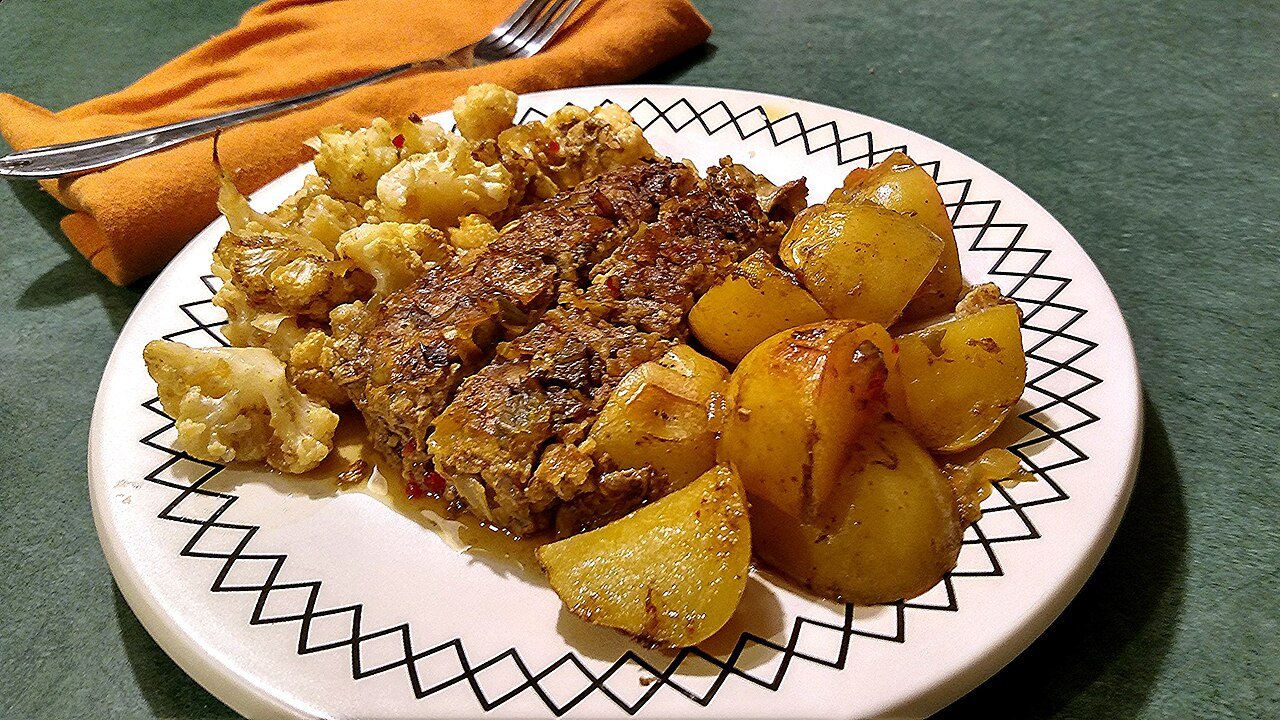
Featured photo: “Thanksgiving Dinner for One” by Robert Loescher / Wikimedia Commons, CC BY-SA 4.0.