
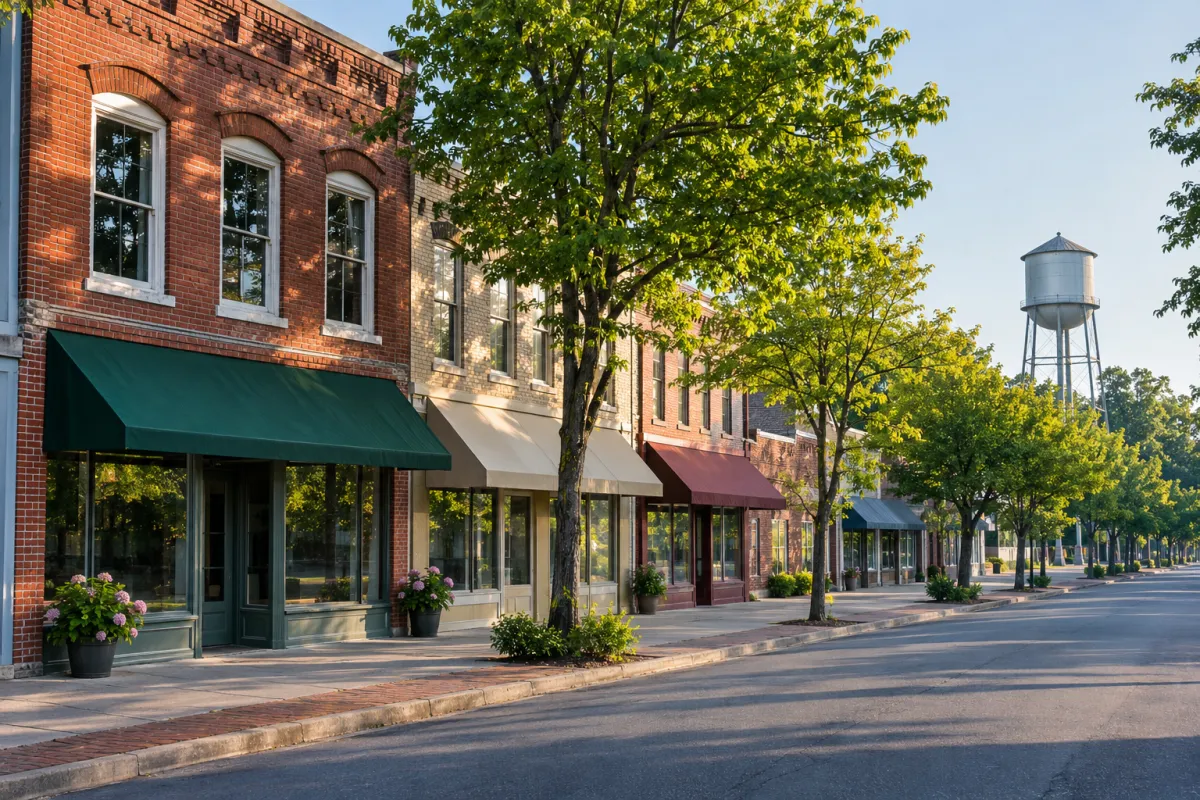
Short answer: to make friends after moving to a small town, plug into the institutions that hold the town together, such as the library, a church, the school, the rec department, a volunteer crew, the farmers market or a service club, and keep showing up to the same ones every week. Small-town friendships grow from being seen and being useful, not from apps or big mixers. Introduce yourself everywhere, say yes to early invitations, volunteer for one community event, and give it a year: most newcomers find acquaintances within a few months and real friends after that.
Moving from a city to a small town can be surprisingly lonely. People are friendly, but many have known each other since school, and their weekends are already full of family. This guide explains why newcomers feel like outsiders, where to start, a week-by-week plan for your first three months, scripts that feel natural, and the mistakes to avoid.
Why small towns feel different for newcomers
In a city, almost everyone is new to something, so groups are built to absorb strangers. A small town works the other way round:
- Networks are old. Friend groups may go back to kindergarten, and extended family often fills the weekends.
- There are fewer formal “meet people” events. No weekly mixers or big hobby clubs; social life runs through churches, schools, sports and volunteer groups.
- You are visible. People notice a new face, which feels exposed at first but also means you are remembered quickly.
- Reputation travels. Being reliable, kind and helpful gets around, and so does the opposite.
- The upside is repetition. With fewer places to go, you see the same people at the store, the post office and the ball field. Repeated contact is exactly how adult friendships form.
That last point is the key. Research from the University of Kansas suggests it takes about 50 hours together to move from acquaintance to casual friend and around 200 hours for a close friend (University of Kansas). Small towns make those hours easier to collect, as long as you are in the places where people gather.
Where newcomers meet people in a small town
| Place or group | Cost | How often you see people | Best for |
|---|---|---|---|
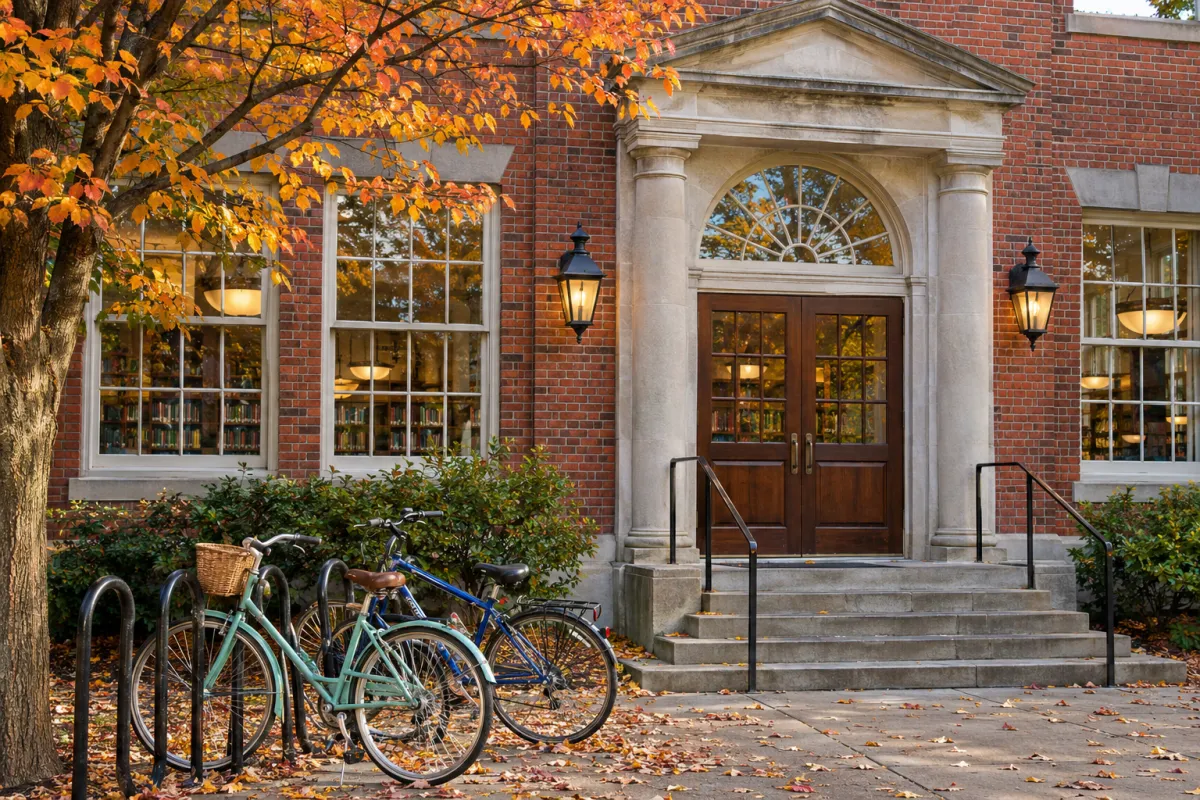
| Public library programs and book club | Free | Weekly or monthly | Quieter newcomers, parents |
| Church or faith community | Free or donation | Weekly | People of faith; families (see joining a church to make friends) |
| School, PTA and youth sports | Free to low | Several times a week in season | Parents |
| Parks and rec classes and adult leagues | Low | Weekly | Active adults |
| Volunteer fire, rescue or auxiliary | Free | Weekly drills and events | People who like to be useful |
| Service clubs (Rotary, Lions, Kiwanis) | Annual dues | Weekly or biweekly | Professionals, retirees |
| Farmers market, fair and festivals | Free to browse | Weekly in season; yearly | Meeting a wide mix of locals |
| The diner or coffee shop regulars | Cost of coffee | As often as you go | Early risers, remote workers |
Pick two of these as weekly anchors, not six. For a broader list of small-town methods compared by cost and effort, see our guide on how to meet people in a small town. Our guide on how to meet your neighbors covers the street you live on, which in a small town matters even more than in the city.
How to make friends after moving to a small town: a 12-week plan
| Week | Action | Time / cost | Goal |
|---|---|---|---|
| 1 | Introduce yourself to both neighbors; get a library card | 1 hour; free | Be a known name on your street |
| 2 | Pick one coffee shop or diner and go at the same time twice | 2 hours; low | Start becoming a regular |
| 3 | Read the local paper, town Facebook page and library calendar | 30 minutes | Find the recurring events |
| 4 | Attend one community event: market, game, fundraiser | 2–3 hours | See who shows up to everything |
| 5–6 | Join your first weekly anchor (church, league, class, club) | 2 hours a week | See the same people weekly |
| 7 | Volunteer for one upcoming event: set-up, food stand, cleanup | 3–4 hours; free | Work side by side with locals |
| 8 | Add a second anchor | 1–2 hours a week | A second circle of familiar faces |
| 9–10 | Invite one person for coffee or a walk | 1 hour | First one-on-one time |
| 11 | Host something simple: a porch evening, a cookout, chili night | 2–3 hours; low | Move from newcomer to friend |
| 12 | Review who you enjoy; double down there | 15 minutes | Invest in the right people |
The practical side of settling in, like utilities, a new license and registering to vote, is covered in our 30-day moving checklist; this plan is the social half. After week 12, keep going. Small towns reward people who are still showing up in month six and month twelve. If the early weeks feel low, our guide to feeling homesick after moving has a short reset plan.
Scripts for small-town conversations
- To a neighbor: “Hi, I’m Jordan. We just moved into the blue house. Is there anything I should know about trash day or the snow plows?”
- At the diner: “I’m new in town. What’s good here?” Then next time: “Morning again. How was the game Friday?”
- At the library or rec center: “I’m looking for something to join. What do people around here sign up for?”
- Volunteering: “I saw the fall festival needs help. I’ve got Saturday morning free. Where do you need someone?”
- The first invite: “We’re doing burgers on Sunday afternoon, nothing fancy. Would you and your family like to stop by?”
Asking for local advice is the best opener in a small town. People like being the expert on their own place, and it gives you a reason to follow up.
If you work remotely
Remote workers often move to small towns for space and lower costs, then discover they have no office to meet people through. Replace it on purpose:
- Work one morning a week from the library or coffee shop. Same day, same time.
- Join something on a weekday evening, like a league, choir or class, so your week has a social anchor.
- Take a recurring volunteer role, such as delivering meals or helping at the food pantry.
- Say yes to daytime invitations from retirees and stay-at-home parents; they are often the most connected people in town.
Our full plan for making friends when you work remotely in a new city goes deeper on weekly anchors.

Mistakes newcomers make
- Comparing everything to the city. “Back in Chicago we had…” gets old fast. Be curious instead.
- Waiting to be invited. Locals assume you are busy settling in. Make the first move.
- Taking sides too early. Every town has old disagreements. Listen before you form opinions.
- Gossiping. Assume anything you say will travel.
- Doing all your shopping online. The hardware store, the pharmacy and the market are where you become a familiar face.
- Giving up after a quiet month. Small-town trust builds slowly but tends to last.
A worked example
Here is an illustrative example. Priya and her husband moved from Seattle to a town of about 4,000 people in eastern Washington so he could take a job at the regional hospital. Priya kept her remote design job. In week one she brought cookies to the neighbors and learned that the woman next door ran the library’s book club. She went to the next meeting.
By week six she was working from the coffee shop on Tuesday mornings, and the owner introduced her to two other regulars. In week seven she volunteered at the harvest festival’s pie table and met half the town in four hours. In week eleven she hosted a soup night for the book club. A year later, she says the book club and the Tuesday coffee crowd are her people, and she rarely goes to the grocery store without stopping to chat.
If you are still in the empty-calendar stage, our plan for when you have moved and have no friends yet covers the first steps, and the same ideas apply to small towns.
The small-town approach of being a regular, hosting simple plans and saying clearly who pays works anywhere. If you want to turn a soup night or a porch evening into an actual plan with new people, MeetNow is a free app for exactly that: a host posts a plan at a public place, says who pays (host pays, split, pay your own or free) and picks who joins from the short notes people send. It is live on the web, starting with plans in Malta: Open MeetNow and see the plans in Malta.
Frequently asked questions (FAQ)
Is it hard to make friends after moving to a small town?
It can feel harder at first because many residents have known each other for years and their social calendars are already full. But small towns also have fewer places to be, so you see the same people again and again, which helps once you start showing up regularly.
Where do newcomers meet people in a small town?
The local institutions: the library, churches, schools and parent groups, the parks and recreation department, volunteer fire or rescue auxiliaries, service clubs like Rotary or Lions, the farmers market, the county fair and the diner or coffee shop where regulars gather.
How long does it take to feel accepted in a small town?
Expect acquaintances within the first few months and real friendships over the first year or two. Newcomers who volunteer, shop locally and keep showing up to community events tend to be welcomed faster than those who wait to be invited.
How do I make friends in a small town if I work remotely?
Build weekday anchors outside the house: work from the library or a coffee shop one morning a week, join a weekly class or league, and volunteer for one recurring local event. Without an office, these routines replace the casual contact coworkers would provide.
What should I avoid as a newcomer in a small town?
Avoid comparing everything to the city you left, joining local disputes before you understand them, and sharing gossip. Assume news travels fast, be friendly to everyone, and give people time to get to know you.