
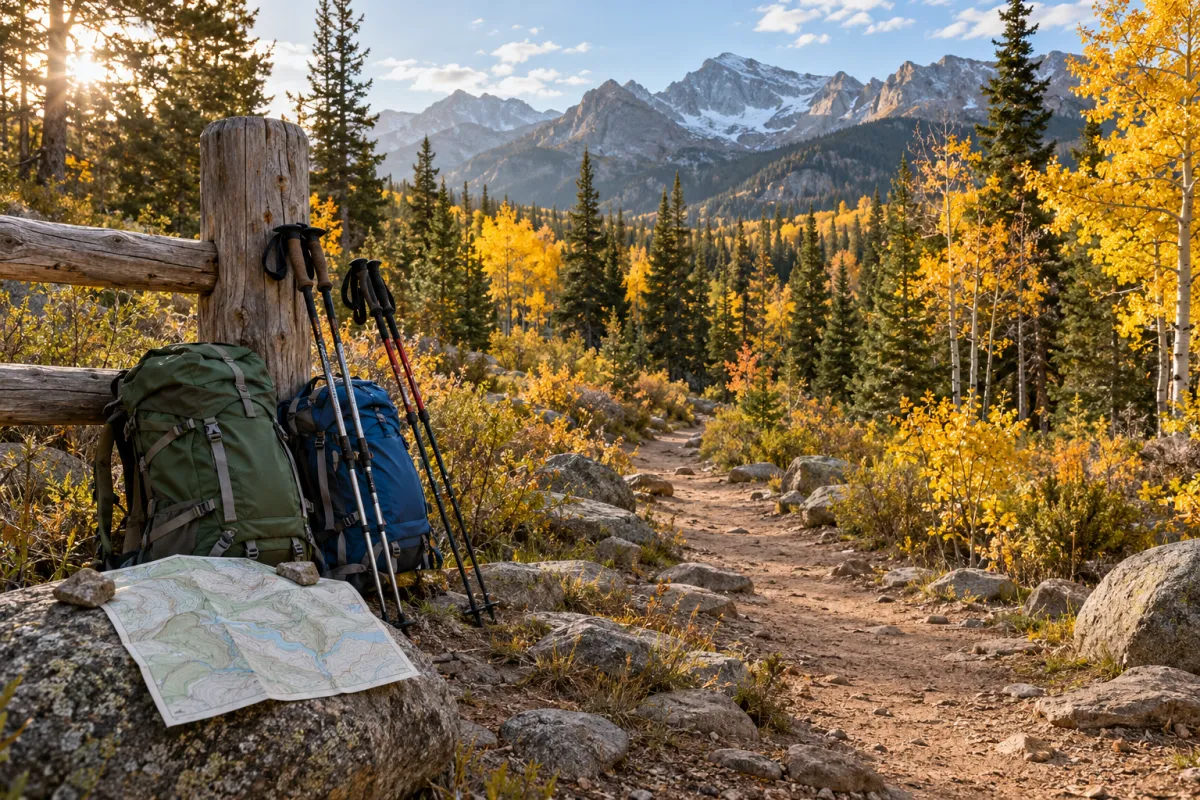
Short answer: the easiest way to find a hiking buddy is to start with group hikes run by an established club, such as a local Sierra Club group, a regional hiking club or an active Meetup hiking group, because a leader sets the route and pace and you meet several regular hikers at once. After two or three group hikes, invite one or two people you got along with on a smaller hike of similar difficulty. Meet at the trailhead, drive yourself, tell someone your route and carry your own gear. Below we compare where to look, give you messages to post and walk through a safety checklist for hiking with someone new.
Where to find a hiking buddy: options compared
Hiking partners come from two kinds of places: organized groups, where you hike with many people under a leader, and partner searches, where you find one or two people to plan hikes with. Most people do best starting with the first and moving to the second.
| Option | Cost | Effort | Best for |
|---|---|---|---|
| Local Sierra Club group outings | Often free or a small fee; varies by chapter | Low | Led day hikes with regulars; good for beginners and newcomers |
| Regional hiking and mountaineering clubs | Membership or course fees vary | Medium | Structured trips and skills courses, from easy hikes to scrambles |
| Meetup hiking groups | Free to join; some groups ask for dues | Low | Frequent group hikes in larger metro areas |
| Outdoor store classes and events | Free to paid | Low | Meeting local hikers while learning skills |
| Parks, nature centers and trail organizations | Usually free or low | Low | Guided walks, trail work days, volunteer crews |
| Local subreddits and social media groups | Free | Medium | Finding one or two partners for specific trips |
| Friends, coworkers and other sports | Free | Low | Casual hikes with people you already trust |
Last checked October 2026. Fees and membership rules vary by chapter, club and city; check each listing before you go.
The options in detail
Sierra Club group outings
The Sierra Club is organized into chapters and local groups, and many of them run volunteer-led day hikes and outings. Policies vary by chapter, but many local groups open their outings to non-members: the Robert Lunz Group in South Carolina, for example, says its trips are open to members and non-members alike. Some chapters ask non-members for a small fee or donation, most require a liability waiver, and leaders can limit numbers or screen for fitness on harder trips.
Why it works: trips are rated for difficulty, a leader handles the route, and the same regulars show up month after month. Watch out for: each chapter runs things differently, so read the outing listing carefully.
Regional hiking and mountaineering clubs
Many regions have long-running clubs that organize trips and teach skills, such as The Mountaineers in Washington State and the Appalachian Mountain Club in the Northeast, along with local hiking clubs, trail conferences and, in Canada, clubs tied to long-distance trails and alpine sections. Membership and course costs vary. Skills courses are especially good for meeting partners, because you train with the same cohort for weeks.
Meetup hiking groups
In larger cities, Meetup often has several hiking groups at different paces, from “flat and social” to “big elevation days.” Look for groups with recent events, clear difficulty ratings and organizers who explain meeting points and carpools. Go on three hikes with the same group before deciding whether it fits.
Outdoor store classes and events
Outdoor retailers, including REI in many US locations, list classes and events such as navigation basics, intro-to-backpacking talks and group outings. Whether they’re free or paid depends on the event. They’re useful less for the event itself than for meeting other people in your area who are trying to get outside more.
Parks, nature centers and trail organizations
State and local parks, nature centers and trail organizations run guided walks, and many organize volunteer trail-work days. Trail crews are an underrated way to meet hikers: you spend several hours working alongside the same people, and conversation comes easily.

Local subreddits and social media groups
City subreddits and regional hiking groups on social media regularly have “looking for a hiking partner” posts. These work best for specific plans (“anyone want to do this trail on Saturday?”) rather than open-ended searches. Check posters’ history and keep the first hike on a popular trail.
Friends, coworkers and other sports
Mention that you hike. Someone at work, in your running group or among your friends’ friends may be looking for the same thing. If you’re looking for partners for several activities, our guide for when you have no one to go out with walks through where to look by activity.
Apps for finding hiking partners
Trail apps are mostly built for finding routes, not people, so for partners you’ll usually rely on group platforms (Meetup), general friendship apps and community groups. Our Meetup.com review explains how to tell whether a group is still active. Whatever you use, move from chat to a specific hike within a few messages, and treat the first hike as a trial run.
What to post to find a hiking partner
The most useful hiking posts are specific about pace and difficulty, because mismatched fitness is the main reason a first hike goes badly. Include:
- Your pace and experience: “moderate pace, comfortable on rocky trails, new to scrambling.”
- Typical distance and elevation: “6 to 10 miles, up to about 2,000 feet of gain.”
- When you can hike: “most Saturdays, occasionally a weekday.”
- Where: the parks or areas you usually go, and how far you’re willing to drive.
- Logistics: whether you have a car and whether you’d split gas for carpools.
Example post
“Looking for a hiking buddy for regular Saturday day hikes. I’m a moderate-pace hiker, usually 6 to 10 miles with up to 2,000 feet of gain, and I like starting early. I have a car and am happy to drive to trailheads within about an hour. Open to a group hike first to see if our pace matches.”
Inviting someone from a group hike
“I enjoyed hiking with you on Saturday. I’m planning to do the ridge loop in two weeks, about the same distance. Want to come? We could meet at the trailhead at 8.”
Following up after a good first hike
“That was a great day. Want to make it a monthly thing? I’d like to try a longer route next time if you’re up for it.”
Safety checklist for hiking with someone new
Hiking with a new partner is usually a great experience, and a few habits make it safer for everyone. The National Park Service’s advice applies whether you’re hiking alone or with others: tell someone where you’re going and when to expect you back, and carry the Ten Essentials.
Before the hike
- Start in a group or on a popular trail. Your first hike with someone should be on a well-used route, ideally a group hike.
- Share your plan. Send a friend the trail name, the trailhead, who you’re hiking with and when you expect to be back.
- Agree on the route and turnaround time before you start, including what happens if one person wants to turn back.
- Check the weather and trail conditions with the land manager (park, forest or agency) for that area.
Getting there
- Meet at the trailhead and arrive in your own car or by transit, at least for the first few hikes.
- Don’t depend on a new partner for your ride home, especially to remote trailheads.
On the trail
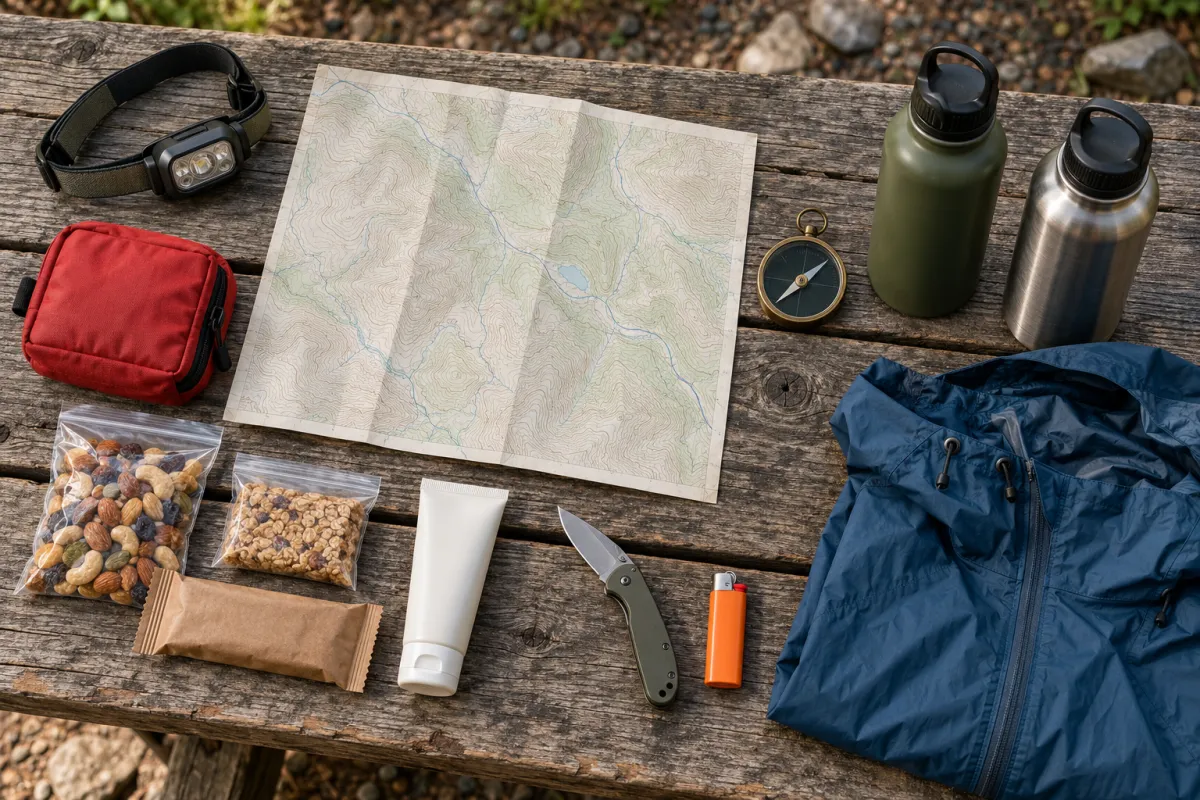
- Carry your own Ten Essentials. The NPS lists navigation, sun protection, extra clothing, illumination, first-aid supplies, fire, a repair kit and tools, extra food, extra water and emergency shelter. Don’t rely on someone else’s pack.
- Hike at the slower person’s pace and stay within sight or earshot.
- Turn back together if one person is struggling or the weather changes.
- Leave if you feel uncomfortable. On a popular trail, you can simply walk back to the trailhead.
For more on meeting people you found online, see our checklist on whether friendship apps are safe.
From one hike to a regular hiking buddy
- Repeat the group first. Two or three group hikes give you a sense of who matches your pace and who you enjoy talking to.
- Invite small. Suggest a hike of the same difficulty with one or two people from the group.
- Set a rhythm. “First Saturday of the month” makes a partnership stick far better than ad-hoc invitations.
- Share logistics fairly. Take turns driving, and split gas or parking fees if you carpool once you know each other.
- Add the post-hike meal. A stop for food on the way home is where hiking partners become friends.
A worked example
Priya (a composite example) moved to a new city, loves day hikes and doesn’t know anyone who hikes. In her first month she joins two Sierra Club group outings and one Meetup hike, choosing moderate routes. On the second outing she hikes most of the way with two people at a similar pace, and they swap numbers. In month two she invites them to a moderate loop she’s been wanting to try, meeting at the trailhead at 8 a.m., each driving separately, with lunch afterward at a diner in a nearby town where everyone pays their own. One of them suggests making it a monthly thing. If you’ve recently relocated, our 12-week plan for moving to a new city alone shows how to combine an activity like hiking with other ways to build a social life.
The same approach works for other sports too; see our guide on how to find a tennis partner for court sports.
Turning a trail into a plan
The hikes that become regular are the ones with a clear plan: a trailhead, a start time, a small group and a simple answer to who pays for gas or the post-hike meal. That’s the format MeetNow is built around: a host posts a plan, such as a Saturday hike from a known trailhead with three seats and “pay your own” for lunch afterward, people ask to join with a short note, and the host picks who comes. Accepted hikers get a group chat to sort out details.
Want to turn this into an actual plan? MeetNow is a free app for meeting people in person: a host posts a plan at a public place, says who pays (host pays, split, pay your own or free) and picks who joins. It is live on the web and works in your browser, starting in Malta. The Android app is on Google Play; the iPhone app is not in the App Store yet. Open MeetNow and see the plans posted in Malta.
FAQ: how to find a hiking buddy
Where is the best place to find a hiking buddy?
Group hikes run by established clubs are the most reliable starting point, because a leader sets the route and pace and you meet several regular hikers at once. Local Sierra Club groups, regional clubs and Meetup hiking groups are common options; once you know a few people, you can plan smaller hikes together.
Is it safe to go hiking with a stranger?
It can be, if you start in a group or on a busy, well-known trail, meet at the trailhead with your own car or transit, tell someone your route and return time, and keep the first hike short. Leave if anything feels wrong, and never rely on a new partner for your only way home.
Do Sierra Club hikes require membership?
Many local Sierra Club groups open their outings to non-members, though policies vary by chapter. Some ask non-members for a small fee or donation, most require a liability waiver and some trips are limited to members. Check the specific outing listing.
What should I post to find a hiking partner?
Include your pace and experience, typical distance and elevation, when you can hike, where you usually go and whether you have a car. For example: “Moderate pace, 6 to 10 miles, up to 2,000 feet of gain, free most Saturdays, happy to drive to trailheads within an hour.”
What are the Ten Essentials for hiking?
The National Park Service lists navigation, sun protection, extra clothing, illumination, first-aid supplies, fire, a repair kit and tools, extra food, extra water and emergency shelter. Each hiker should carry their own, rather than relying on a new partner.
How do I find a hiking buddy as a woman?
Many areas have women’s hiking groups on Meetup and social media, and general club hikes are also a good starting point because they happen in a group with a leader. Use the same safety steps as anyone: meet at the trailhead, tell someone your plan and start with a popular trail.